Exploring Your Options: A Comprehensive Guide to Passenger Van Rental Options
When it comes to passenger van rentals, knowing about the different types available is crucial for a successful journey. Different sizes and features serve diverse groups, from families to corporate teams. Each option presents distinctive advantages that can improve comfort and convenience. However, the choice may look overwhelming. What factors should one consider to ensure the right fit for their needs? The answers lie in examining the specifics of each category.
Understanding Passenger Van Rentals: Categories and Characteristics
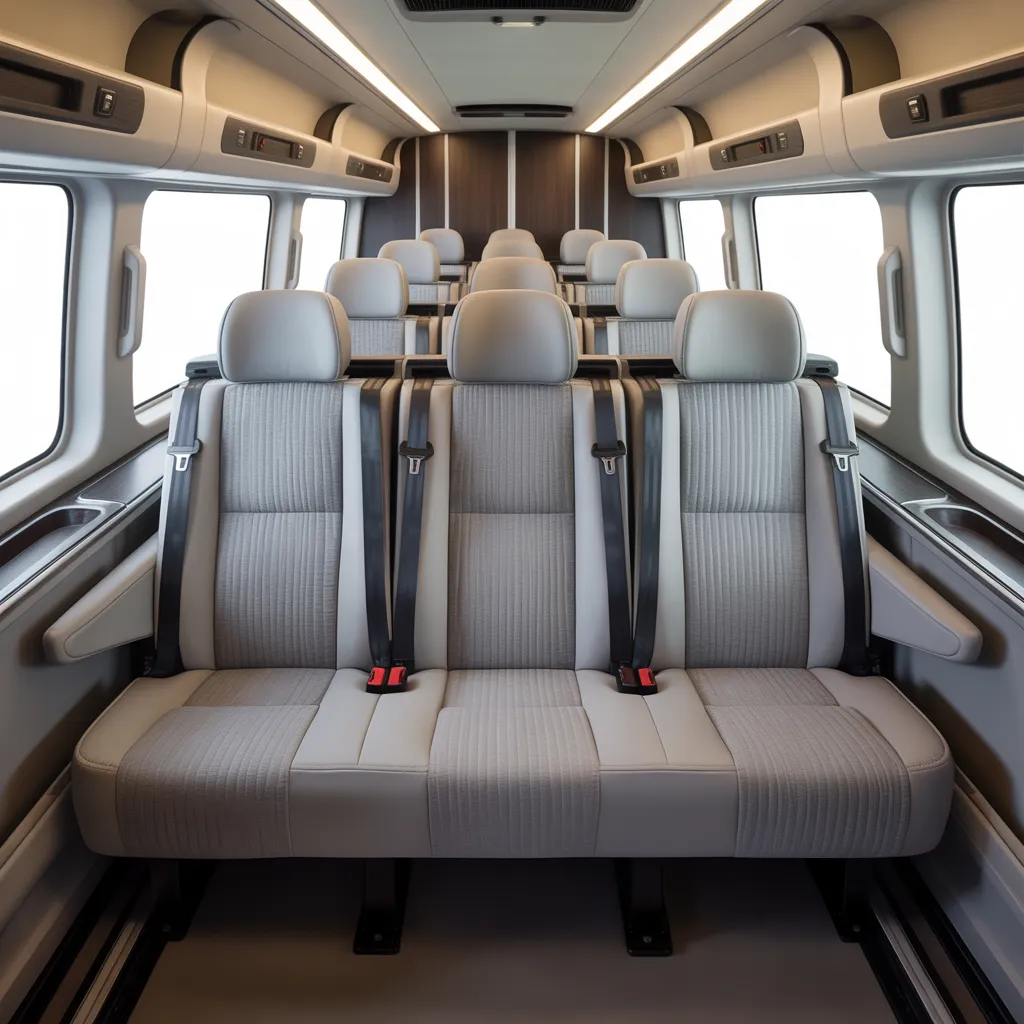
While evaluating passenger van rentals, it is important to understand the various types and features available to meet various transportation needs. Passenger vans typically come in two main types: standard and extended. Standard vans usually accommodate around 8 to 12 passengers, suitable for small groups or families, while extended vans can accommodate up to 15 passengers, serving larger gatherings or team outings.
Essential features to assess include seating configurations, cargo space, and accessibility options. Many vans offer flexible seating arrangements, facilitating the removal or reconfiguration of seats to maximize cargo capacity. In addition, certain models include amenities such as air conditioning, entertainment systems, and advanced safety features, elevating the travel experience.
Understanding these options empowers renters to select a vehicle that aligns with their individual demands, providing a pleasant and efficient journey for all passengers involved.
Selecting the Perfect Size for Your Group?
Selecting the appropriate size passenger van requires evaluating the demands of the group, including the number of passengers and their luggage. It is vital to take into account how much space is necessary for comfort during the journey. Assessing these factors guarantees that all members have an enjoyable experience without feeling cramped.
Review Team Size Requirements
Determining the suitable size of a passenger van is vital for accommodating various group sizes effectively. When assessing group size considerations, one must consider the total number of passengers traveling together. Typical options include 8, 12, or 15-passenger vans, each catering to specific group sizes. For a small family or a few friends, an 8-passenger van may suffice. However, for larger gatherings such as sports teams or corporate events, a 12 or 15-passenger van would be more suitable. Additionally, it is important to account for any potential growth in the group size, such as last-minute additions. By determining the number of passengers accurately, individuals can provide a comfortable and efficient travel experience for everyone involved.
Consider Luggage Requirements
Addressing luggage considerations is just as important as considering the number of passengers when choosing a passenger van. Groups need to consider the volume and type of luggage they aim to transport. For example, heavy suitcases, sports equipment, or large items may require a larger van. Each passenger typically has one or two bags, but additional gear can significantly affect space demands.
It's important to factor in the luggage when establishing the van's capacity; an overcrowded vehicle can cause unsafe conditions and discomfort. Many rental providers provide specifications outlining the cargo area dimensions. By accounting for both passenger numbers and luggage specifications, groups can ensure a comfortable and efficient travel experience, sidestepping last-minute adjustments or inconveniences.
Review Comfort Options
What steps can a group take to make certain everyone appreciates the travel experience? Examining comfort preferences is critical when selecting the right passenger van size. Groups should assess the number of travelers and their individual needs for space and comfort. For instance, taller individuals may necessitate more legroom, while others might desire extra headspace. Furthermore, considering preferences for seating arrangements—like bench seats versus individual chairs—can improve overall comfort. It is also important to factor in any special considerations, such as child safety seats or accessibility features. By focusing on these factors, groups can secure an enjoyable ride, limiting discomfort during travel and maximizing the experience for all participants. Finally, thoughtful planning around comfort can produce a memorable journey.
Passenger Van Rental Budget Planning: Key Factors to Consider
When arranging travel that calls for a passenger van rental, it is essential to factor in several budgetary aspects to secure a smooth experience. The first element is the rental cost, which can fluctuate considerably based on the size of the van, rental length, and location. It is wise to compare quotes from numerous rental agencies to locate the best deal.
Supplementary charges, like insurance, fuel, and mileage fees, must be included in the budget. Insurance alternatives can vary in price and coverage, so grasping the terms is fundamental. Fuel efficiency of the picked van can influence overall costs, making it critical to investigate the vehicle's mileage ratings.
Lastly, prospective costs for supplementary drivers, late returns, or cleaning can increase the final bill. By thoroughly examining these cost-related considerations, travelers can guarantee they make an informed decision and avoid unexpected expenses during their rental experience.
Contrasting Standard & Luxury Passenger Vans
In comparing basic and premium passenger vans, a number of significant features are revealed, highlighting differences in comfort and amenities. Price points and affordability vary considerably between the two categories, affecting rental decisions for varying price ranges. Comprehending the ideal use cases for each type can help renters choose the best option for their individual preferences.
Essential Features Comparison
A range of passenger van styles can be found, with basic and premium options designed to cater to diverse needs and preferences. Economy passenger vans usually emphasize functionality, offering generous seating and cargo space, along with essential features such as air conditioning and basic audio systems. They are often equipped with practical safety features, such as multiple airbags and stability control, making them ideal for families or large groups on a budget.
On the other hand, luxury passenger vans improve the travel experience with high-quality interior materials, advanced technology, and improved comfort features. These may include premium leather upholstery, premium audio systems, multi-zone climate control, and further amenities like entertainment systems and Wi-Fi connectivity. In the end, the choice between conventional and luxury vans is determined by the required level of comfort and the individual requirements of the group.
Cost and Affordability
The cost of renting passenger vans may fluctuate considerably depending on the chosen type, with standard options commonly being more economical than their luxury counterparts. Standard vans usually have lower starting prices, making them available for extended parties or budget-conscious travelers. These vehicles usually come equipped with basic features, ensuring a practical solution for transportation needs. In contrast, luxury passenger vans necessitate higher rental prices, demonstrating their premium amenities and enhanced comfort. They may include cutting-edge technology, superior seating, and additional space, suited for those seeking a more upscale travel experience. Consequently, prospective renters must weigh their budget against their desired features when deciding between standard and luxury options, ensuring a suitable balance between cost and comfort.
Perfect Applications
For different travel situations, deciding between standard and luxury passenger vans can substantially influence the overall experience. Standard vans are perfect for budget-conscious groups, such as sports groups or families on road trips, supplying ample space and functionality without unnecessary frills. They offer basic amenities, making them well-suited for practical transportation needs. In contrast, luxury passenger vans are perfect for VIP travel, weddings, or corporate functions, where comfort and style are paramount. Equipped with premium features like leather seating, entertainment systems, and advanced climate control, these vans enrich the travel experience. Eventually, determining the appropriate van type is based on the nature of the trip and the desired level of comfort, ensuring that all passengers have a pleasant journey.
Custom Vans for Specific Needs
Whereas traditional passenger vans cater to general transportation requirements, specialized vans are engineered to accommodate specific requirements, ensuring that diverse groups can travel comfortably and safely. Alternatives such as wheelchair-accessible vans offer essential elements like ramps and secure tie-downs, making travel possible for individuals with mobility limitations. Similarly, vans equipped with additional safety features cater to larger families or groups, providing reassurance during long journeys.
For organizations, cargo vans can serve dual purposes, enabling both passenger and equipment transport. In contrast, luxury vans deliver a premium experience, complete with upscale seating and amenities for corporate travel or special events. Moreover, eco-friendly vans are becoming increasingly sought-after, aligning with sustainability goals while offering comfortable transport. Each specialized van type fulfills specific needs, guaranteeing that every journey is tailored to the unique requirements of its passengers, encouraging inclusivity and convenience across diverse scenarios.
Making Your Van Rental Experience Effortless
To guarantee a hassle-free van rental process, travelers should consider several important factors before making a reservation. Initially, it is crucial to determine the size of the van required, taking into consideration the number of passengers and luggage. Following this, checking rental policies, including mileage allowances and fuel expectations, can prevent unexpected costs.
Travelers should also search for available amenities like GPS, child seats, or Wi-Fi, which may increase comfort during the trip. Making a reservation in advance is suggested to secure the desired vehicle and potentially access lower rates.
In addition, validating pickup and drop-off locations, along with hours of operation, can expedite the rental process. Lastly, it is advisable to examine customer reviews to gauge the reliability of the rental company. By attending to these considerations, travelers can achieve a smooth van rental experience that meets their specific needs.
Comprehending Insurance Alternatives and Liability Coverage
Which factors ought travelers examine when reviewing insurance options for their van rental? Initially, it is crucial to understand the coverage types available. Basic liability insurance, typically included, covers damage to other vehicles or injuries to other parties. Nevertheless, travelers may need additional coverage for their rental vehicle. A collision damage waiver (CDW) can safeguard against repair costs, while personal accident insurance supplies medical coverage for passengers.
Travelers should also review their existing insurance policies. A number of personal auto insurance plans apply to rental vehicles, possibly eliminating the need for extra coverage. Numerous credit cards feature rental insurance benefits, but specific terms vary.
Lastly, assessing the rental company's insurance options is essential. Comprehending deductibles, coverage limits, and exclusions can allow travelers in making informed decisions. view resource By diligently considering these factors, travelers can select an insurance plan that fulfills their needs and provides peace of mind during their travels.
Common Inquiries
Can a Passenger Van Be Rented for a One-Way Trip?
One-way rentals for passenger vans can be obtained from numerous rental agencies. However, availability and fees may vary, so it is advisable for customers to check specific policies with their chosen rental agency before booking.
Are There Age Restrictions for Renting a Passenger Van?
Minimum age policies for leasing a passenger van typically mandate drivers to be at least 21 years of age. Some rental companies may enforce surcharge fees for drivers below 25, while others may have alternative age restrictions.
Is It Necessary to Have a Particular License to Drive a Passenger Van?
Generally, a standard copyright is adequate for renting and driving a passenger van. Nonetheless, specific requirements could vary according to the rental company or local regulations, so it's recommended to verify regulations beforehand to establish compliance.
What Fuel Efficiency Can You Expect from Passenger Vans?
Standard fuel economy for passenger vans varies from 15 to 25 miles per gallon, based on the dimensions, weight, and engine type. Bigger models commonly consume more fuel, while more modest vans can offer enhanced efficiency.
Is It Possible to Add Additional Drivers to My Rental Agreement?
Extra drivers can normally be added to your rental agreement. However, this often involves extra fees and requires the extra drivers to meet the rental company's age and identification criteria. It's important to confirm the specific policies in advance of renting.